July 2, 2026
The process of creating a custom residence today is far more structured and intentional than in the past. Homeowners expect a balance of livability, aesthetics, and long-term performance, and that expectation has reshaped how residential projects are planned from the ground up. A modern home builder approaches each project with a focus on aligning architectural design with how people actually live, not just how a house looks on paper.
This shift has placed greater emphasis on early planning, material selection, and coordination between design and construction teams. Every decision, from spatial flow to exterior composition, is evaluated through the lens of daily function and long-term adaptability. The result is a home that feels cohesive, efficient, and tailored to the people who will live in it for decades.
Designing Homes Around Lifestyle, Function, and Long-Term Use
Translating Daily Living Patterns Into Architectural Form
Home builders begin the design process by considering how future homeowners will move through their day. This includes evaluating how spaces connect, where natural gathering points occur, and how private areas are separated from shared environments. The goal is to ensure that circulation paths feel intuitive rather than forced, creating a home that supports natural routines.
This approach requires careful attention to room adjacency and spatial hierarchy. Kitchens are positioned to connect seamlessly with dining and living areas, while bedrooms are placed to maximize privacy and quiet. Rather than relying on generic templates, the design is shaped by specific lifestyle priorities that influence every square foot of the home.
An equally important element is flexibility within the layout. Families evolve, work patterns change, and living needs shift over time. By planning adaptable spaces from the beginning, a modern home builder ensures that the home remains functional even as circumstances change, reducing the need for disruptive renovations later.
Balancing Aesthetic Vision With Practical Performance
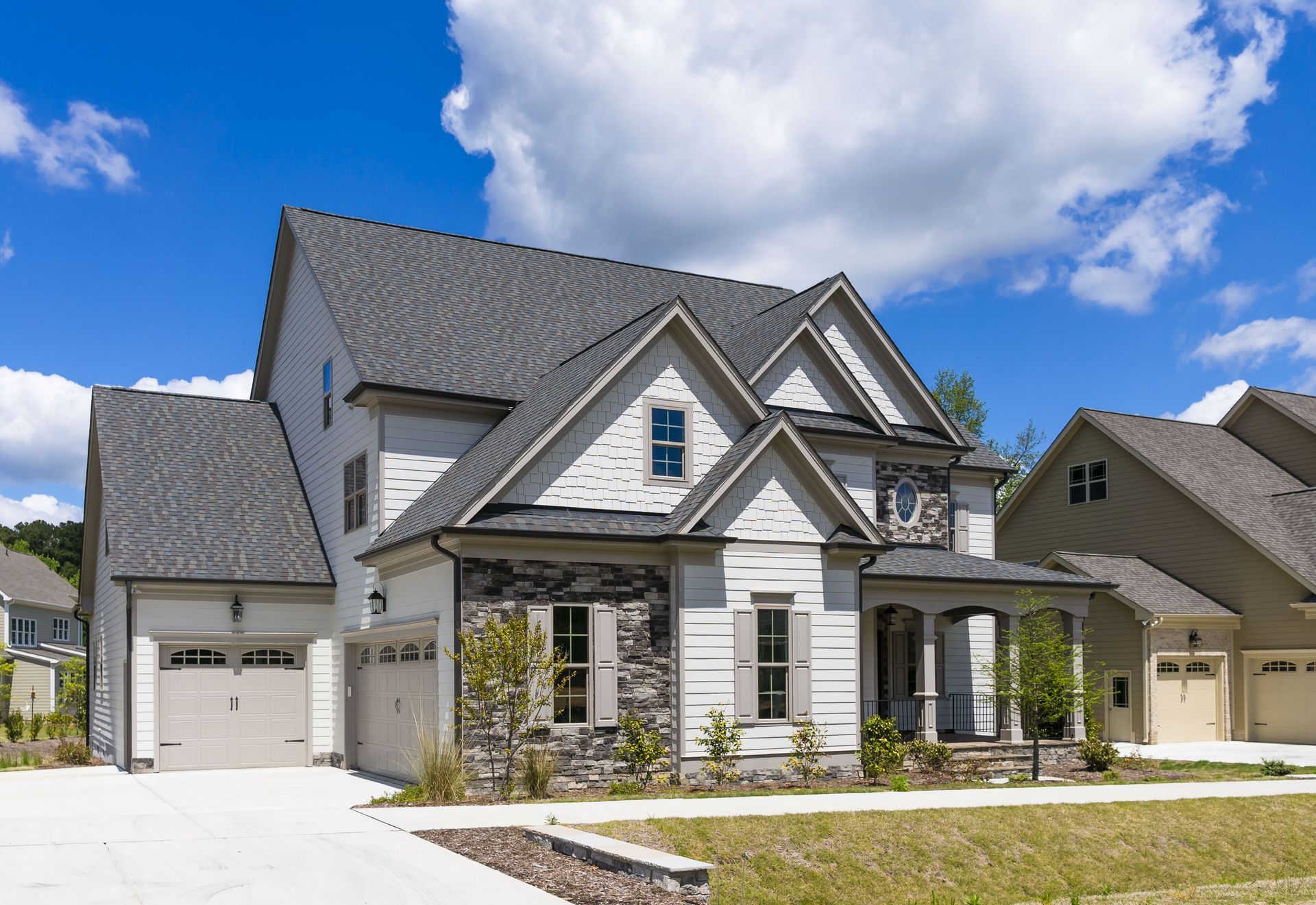
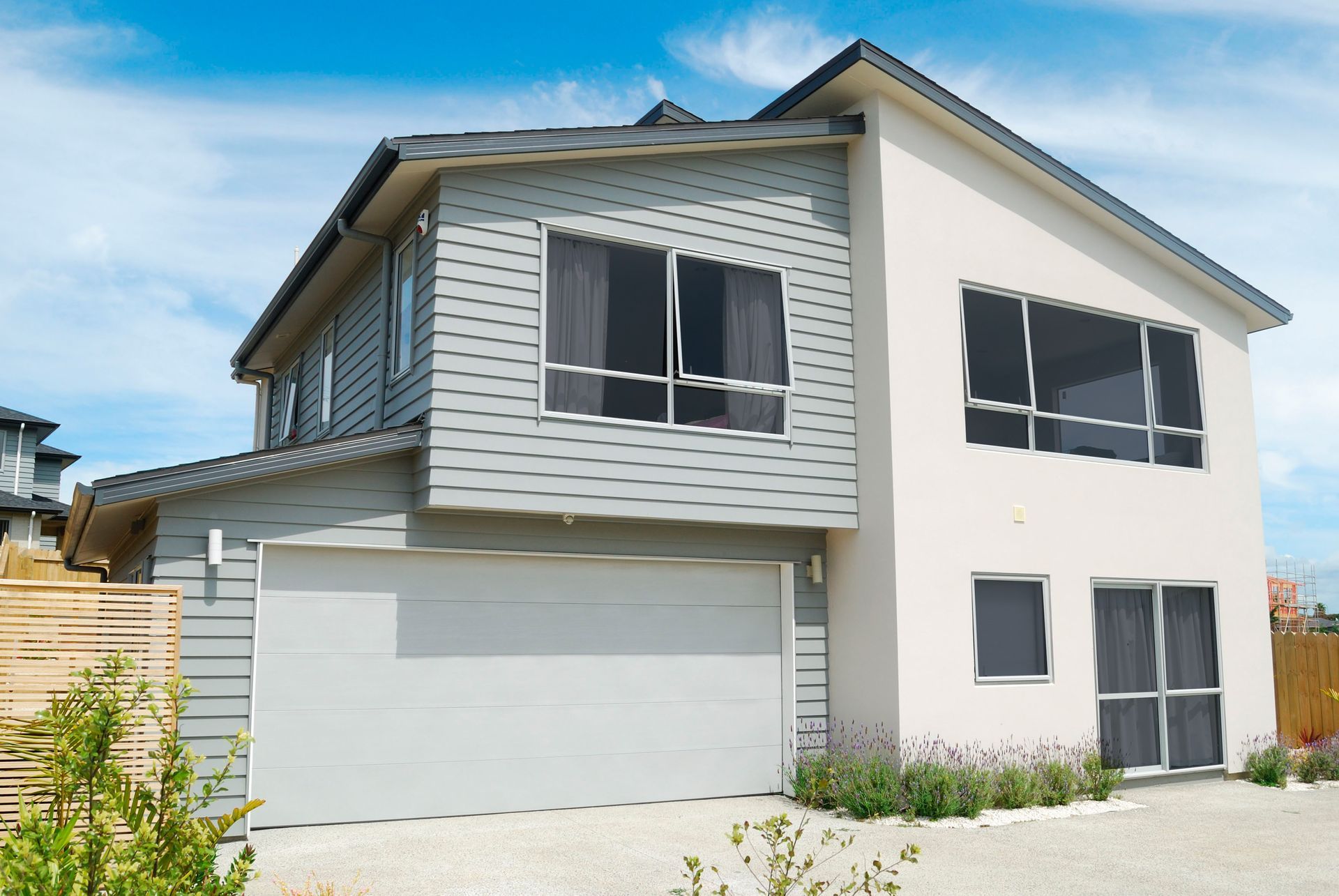
Design decisions are not made purely for visual impact. A home builder evaluates how architectural features will perform over time, considering durability, maintenance requirements, and environmental exposure. Exterior materials, rooflines, and window placement all play a role in both appearance and function.
Interior aesthetics are treated with the same level of scrutiny. Surface materials, lighting design, and finish selections are coordinated to ensure cohesion across all living spaces. The goal is to create an environment that feels unified rather than segmented by competing styles or inconsistent choices.
Practical performance also extends to how spaces age. Durable materials and timeless design principles are prioritized to ensure the home retains both value and usability. This balance between aesthetics and function helps ensure that the finished residence remains relevant for years to come.
Integrating Site Conditions Into Early Design Decisions
Every property presents unique conditions that influence design direction. A modern home builder evaluates topography, soil characteristics, sunlight exposure, and surrounding landscape features before finalizing plans. These elements shape everything from foundation strategy to window orientation.
By responding to the site rather than imposing a fixed design, the home becomes naturally integrated into its environment. This approach improves both visual harmony and structural efficiency. It also reduces unnecessary grading or alterations to the land, preserving the natural character of the property.
Site integration further impacts energy performance and comfort. Strategic placement of openings and outdoor connections helps regulate natural light and airflow throughout the home. These decisions, made early in the design phase, have lasting effects on how the home functions day to day.
Planning Construction With Precision, Materials, and Process Control
Structuring the Build for Predictable Execution
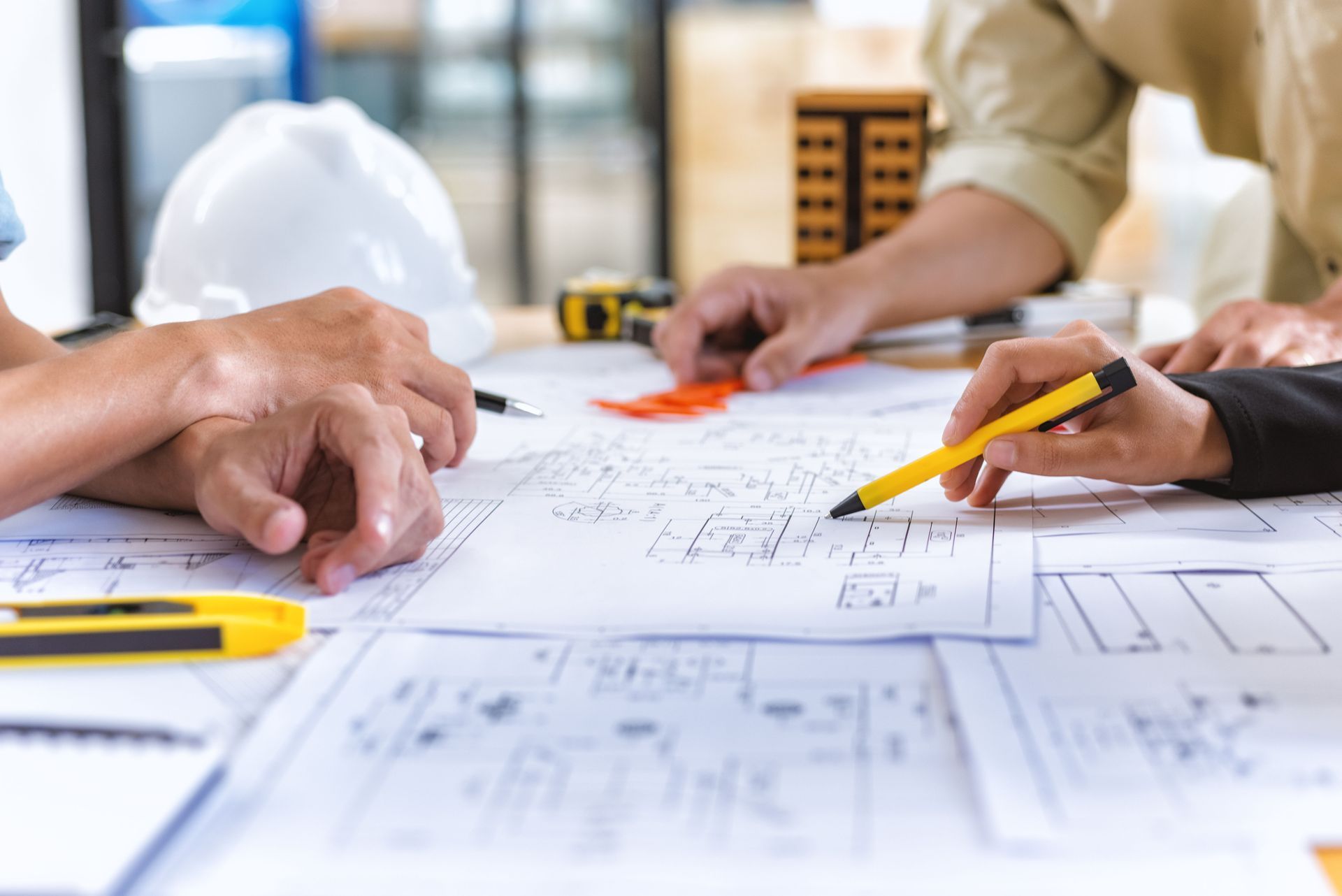
A home builder relies on structured planning to ensure that each phase of construction progresses smoothly. Detailed scheduling, coordinated subcontractor involvement, and clearly defined milestones help maintain consistency throughout the build process.
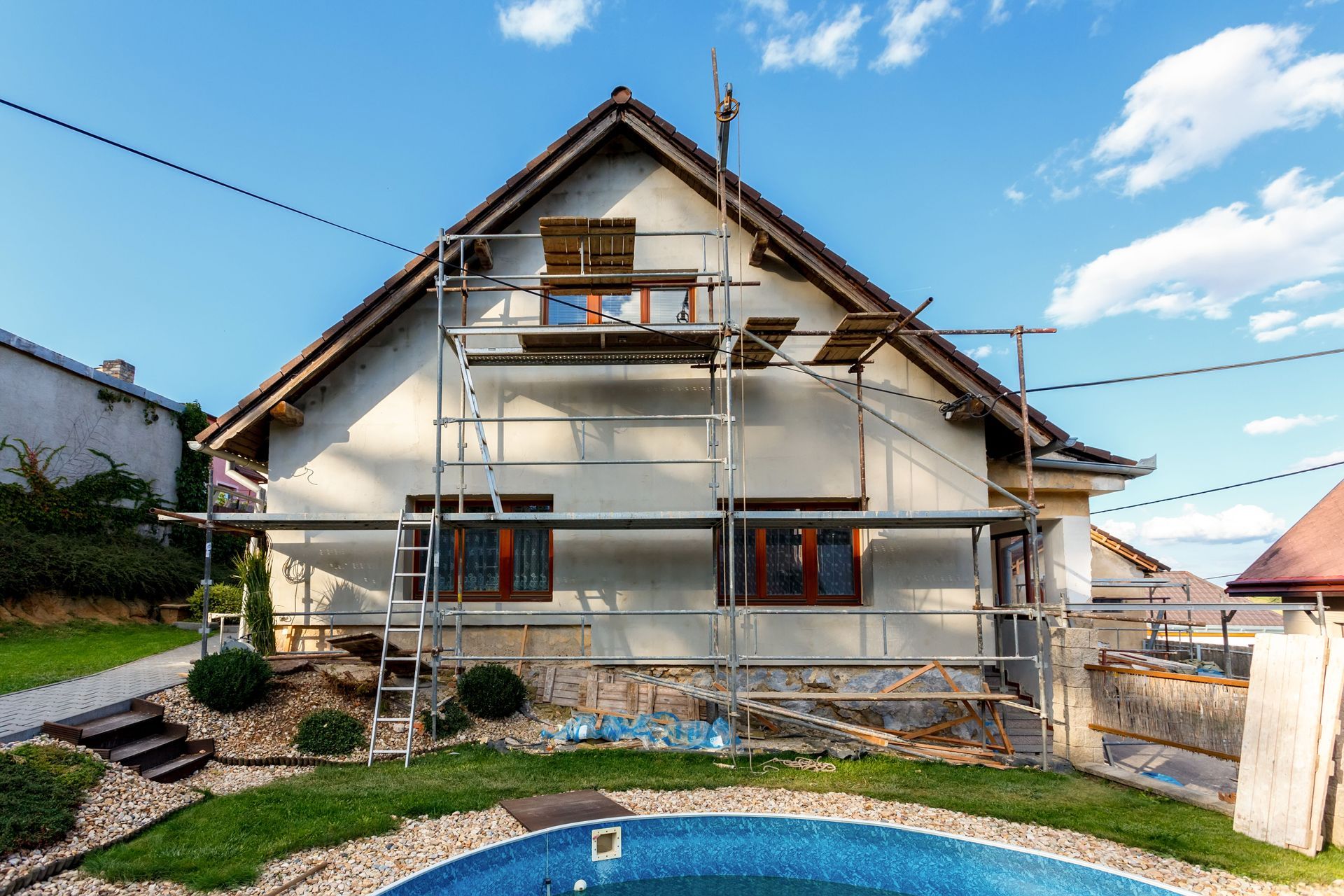
This level of organization reduces delays and improves communication between teams. Each stage of construction is sequenced to minimize conflicts between trades and ensure that foundational work supports all subsequent steps. The result is a more efficient and controlled building environment.
According to This Old House, the average home construction project takes about 12 months to finish, though actual timelines can vary based on factors such as design complexity, site conditions, and permitting requirements. This estimated timeframe reflects the coordination required to move from initial groundwork to completion without compromising quality or detail.
Selecting Materials for Longevity and Performance
Material selection is one of the most critical responsibilities of a modern home builder. Every component, from structural framing to exterior finishes, must be evaluated for durability, maintenance requirements, and compatibility with the overall design intent.
High-quality materials contribute to long-term stability and reduce the likelihood of future repairs. They also enhance the visual consistency of the home, ensuring that finishes age gracefully rather than deteriorate prematurely. This long-term perspective is central to the construction philosophy.
Material choices are also influenced by environmental conditions. Temperature fluctuations, moisture exposure, and seasonal changes all affect how materials perform over time. By accounting for these variables early, the construction process becomes more resilient and reliable.
Coordinating Structural Systems for Long-Term Stability
Behind every finished home is a carefully engineered structural system. A home builder ensures that foundations, framing, and load-bearing elements are precisely aligned to support the architectural design without compromise.
This coordination begins at the foundation stage, where soil conditions and load requirements determine structural specifications. Once established, the framing system is designed to distribute weight efficiently and maintain stability across all levels of the home.
Attention to structural detail also supports long-term durability. Proper load distribution, reinforcement strategies, and quality control checks ensure that the home maintains its integrity well beyond initial completion. This level of precision is essential for delivering lasting value.
Refining The Home Through Detail, Craftsmanship, and Final Execution
Elevating Interior Spaces Through Cohesive Detailing
As construction progresses toward completion, a modern home builder focuses on refining interior environments through careful detailing. This includes alignment of trim work, consistency in material transitions, and precision in finish installation.
These details play a major role in how the home feels once occupied. Even subtle inconsistencies can disrupt visual harmony, while well-executed craftsmanship creates a sense of continuity throughout the space. Every finish is evaluated in relation to surrounding elements to ensure cohesion.
The goal at this stage is not just completion but refinement. Spaces are adjusted and reviewed to ensure that they meet both design intent and functional expectations, resulting in interiors that feel intentional and complete.
Ensuring Quality Control at Every Stage of Construction
Quality control is an ongoing process rather than a final step. A modern home builder implements inspections throughout each phase of construction to verify accuracy, alignment, and compliance with design specifications.
These checks help identify issues early, reducing the likelihood of costly corrections later. From foundation pours to final finishes, each stage is evaluated against established standards to ensure consistency and reliability.
This continuous oversight also supports accountability among all teams involved. By maintaining clear benchmarks and regular evaluations, the construction process remains aligned with both technical requirements and client expectations.
Delivering a Finished Home Built for Long-Term Living
The final stage of construction brings together all previous decisions into a finished living environment. A modern home builder ensures that every system, surface, and space functions as intended before the home is delivered to its occupants.
This includes final walkthroughs, system testing, and detailed inspections of all interior and exterior elements. Any remaining adjustments are addressed to ensure completeness and readiness for occupancy.
At this point, the home represents the culmination of design strategy, construction precision, and material selection. It is built not only for immediate use but for long-term livability, reflecting a comprehensive approach to residential construction.
Designing and constructing a custom residence requires a structured balance of planning, execution, and refinement. A modern home builder integrates these elements from the earliest stages to ensure that each home reflects both functional needs and long-term value. The result is a living space shaped by intention, built with precision, and designed to support homeowners well into the future. If you're looking for home builders that consider your needs in every step of the process, look no further than Ashley Homes Construction Co.